In Harwich, the Mooring Doesn't Come With the House
September 10, 2026
September 10, 2026
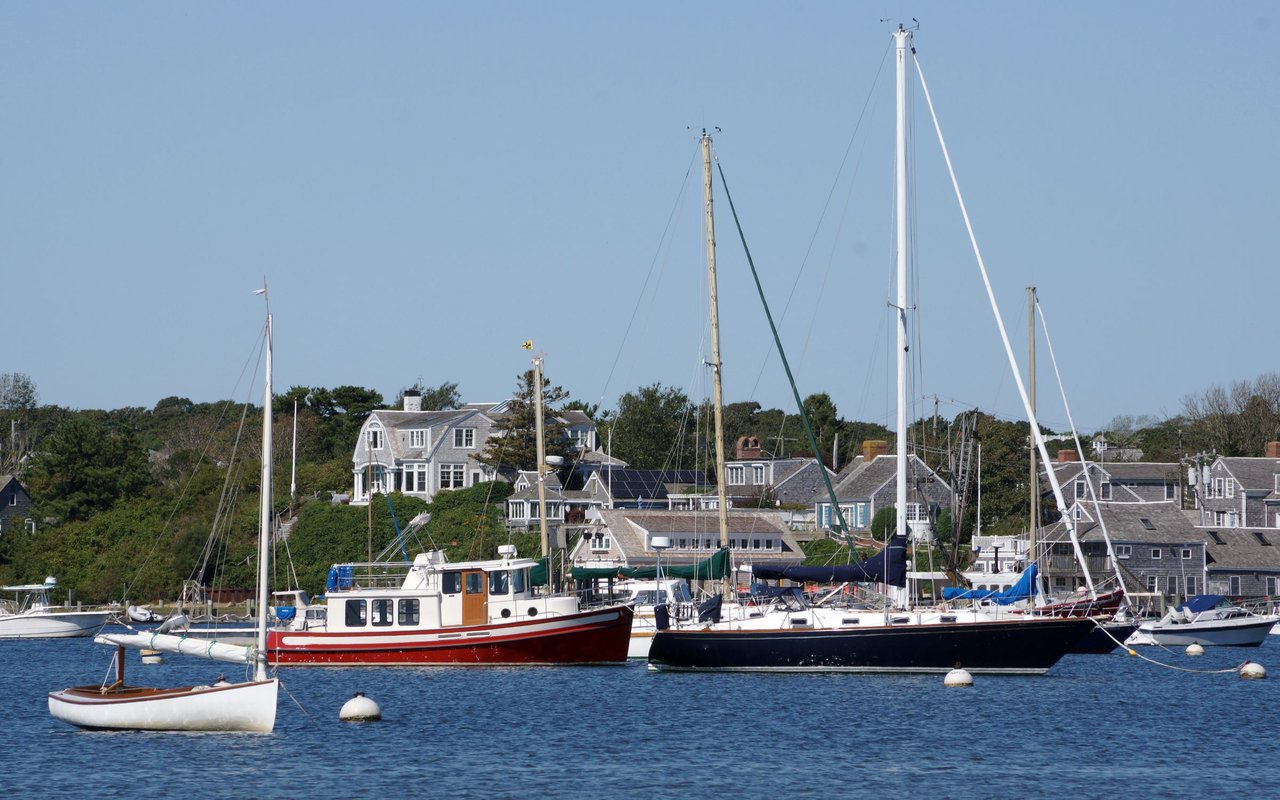
Picture a buyer under contract on a Wychmere Harbor property, doing the math the way most people do: waterfront lot, private beach steps away, boat in the family for years, so the mooring must be part of the package. It isn't. The house closes. The mooring stays exactly where it was, attached not to the deed but to a name on a town list, and that name does not transfer with the sale.
This is the kind of detail that never shows up in a listing photo, and it matters more than most of what does. Harwich waterfront carries real premiums for water access, and the town's own Harbor Management Plan draws a line that most buyers never think to look for: some water rights live in your deed and travel with the property forever. Others live in a harbormaster's office and belong to a person, not a house.
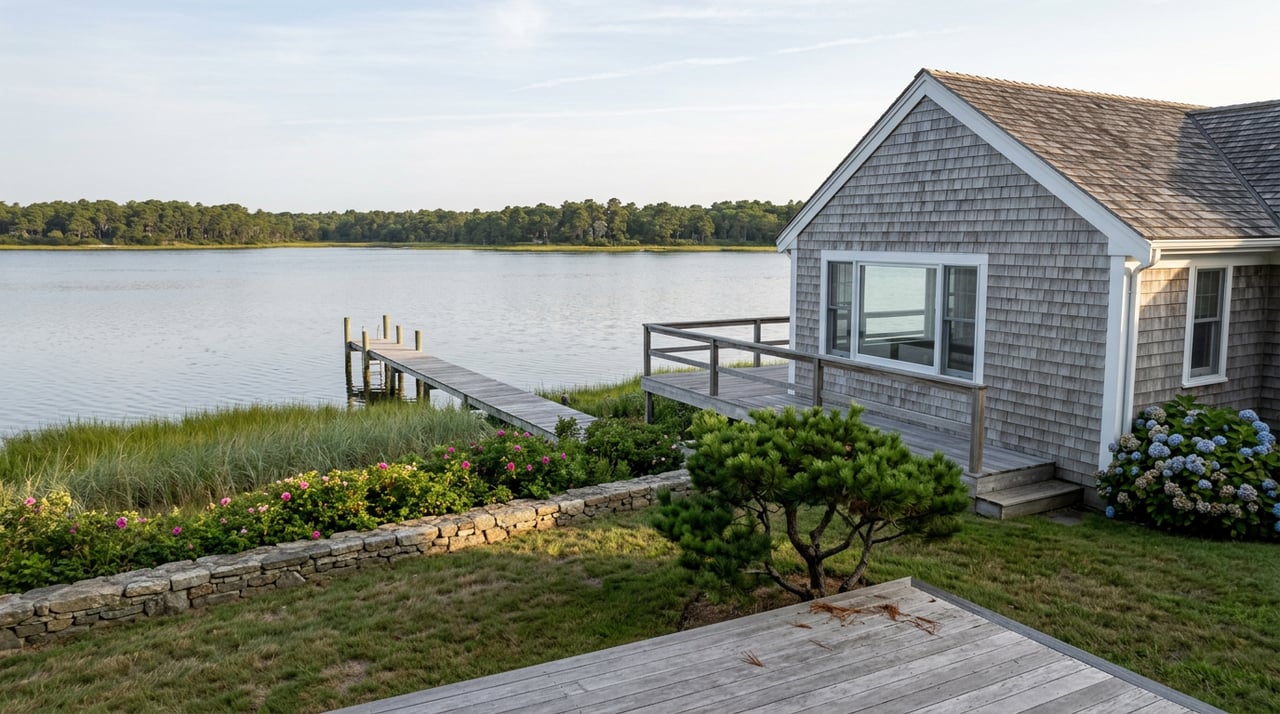
Cape listings routinely advertise deeded beach rights, deeded pond access, or a private dock as part of a property's value. Those are real, recorded rights. If a deed grants a parcel access to a beach or the right to maintain a dock on the owner's own waterfront, that right is legally tied to the land. It survives the closing table the same way a right-of-way or an easement does, because it was written into the property record by an attorney, not issued annually by a municipal office.
A mooring permit works on a completely different set of rules. The Town of Harwich's Harbor Management Plan states plainly that mooring space is non-transferable other than to a surviving spouse, and it cannot be willed to the next generation or passed through a sale. The permit belongs to the person whose name sits on the town's waiting list, not to the waterfront parcel that person happens to own. Sell the house, and the mooring resets. The next owner starts over.
Here's the distinction in practical terms:
| Deeded dock / beach rights | Town mooring permit | |
|---|---|---|
| Where it lives | Recorded in the property deed | Assigned by the Harbormaster to an individual |
| Transfers at sale | Yes, automatically | No, except to a surviving spouse |
| Governed by | Deed language, real estate law | Harwich Harbor Management Plan |
| What a buyer inherits | The right itself | Nothing. A spot at the back of the waitlist |
A buyer who confirms deeded beach or dock rights with a title search is protected. A buyer who assumes a mooring works the same way is not, and there is no title exception that will flag the difference before closing.
Harwich runs a single, centralized mooring waiting list, maintained by the Harbormaster, covering the town's mooring fields at Wychmere Harbor, Saquatucket Harbor, Allen Harbor, Herring River, Pleasant Bay, and Round Cove. Staying on it requires an annual $10 renewal fee due before April 1 each year. Miss the deadline and the position is gone. Pay it every year and the name simply advances as space opens ahead of it, in the order applications were filed.
That system sounds bureaucratic because it is, deliberately. Harwich centralized its mooring assignments after a 2003 Massachusetts Inspector General report titled "Favoritism and Private Gain in the Assignment of Boat Moorings in the Town of Harwich" found that control of moorings had been too loosely held by individual boatyards. The town's Board of Selectmen responded by pulling every mooring back under the Harbormaster's office and building the current Harbor Management Plan, effective February 2004. The rules that now frustrate a new waterfront buyer exist specifically because the old rules let insiders skip the line.
Not every harbor in Harwich carries the same wait. But Wychmere Inner Harbor is a useful example of how long "waiting" can actually mean. The town's own plan states that the Wychmere Inner Harbor mooring field reached its physical saturation point and was frozen once the boats assigned for that year took their spots. No new mooring capacity has been added to that inner field since. Every opening there since then has depended entirely on someone above you on the list giving up their spot, moving away, or aging out of boating, not on the town creating new room.
That is a fundamentally different kind of scarcity than a competitive housing market. A tight Cape Cod real estate market can still produce more listings the following spring. A frozen mooring field cannot produce more water. If mooring access at Wychmere specifically is a deciding factor in a purchase, the honest expectation should be measured in years of turnover, not in a single closing season.
Getting a name on the waitlist is only step one. Two operating rules determine whether that name actually turns into a mooring:
Both rules matter to a buyer for the same reason: they explain why mooring turnover happens at all, and why it happens slowly. Permits open up when someone finally stops using a boat, not when the market shifts.
There is one path around the public waitlist, but it applies narrowly. Harwich's plan allows the Harbormaster to consider a private property mooring when specific criteria are met, including situations where the residence sits more than a half mile by water from a town landing. This provision exists for genuinely remote waterfront parcels where the public mooring fields aren't a realistic option, not as a general workaround for anyone who owns shorefront property. A buyer evaluating a truly isolated waterfront parcel should ask the Harbormaster's office directly whether the property qualifies before assuming a private mooring is possible.
For anyone evaluating Harwich waterfront with boating in mind, the sequence that protects you is straightforward:
Can a seller "throw in" their mooring as part of the deal? No. The permit is issued to a person, not tied to the property, so it cannot be sold, gifted, or included in a purchase and sale agreement.
What if my spouse inherits the house and the mooring together? A surviving spouse is the one exception the Harbor Management Plan allows. A sale to anyone else, including an adult child, resets the permit.
If I go on the waitlist the day I close, when might I actually get a mooring? It depends entirely on the specific harbor field and how many names sit ahead of yours. Fields like Wychmere Inner Harbor, frozen at capacity for two decades, move only as fast as existing holders give up their spots. Contacting the Harbormaster's office for the current list position is the only way to get a real answer.
Waterfront ownership in Harwich still delivers everything the Cape promises, the tide, the boat traffic, the harbor light in the evening. It just delivers it through two separate legal systems that happen to sit on the same piece of land, and only one of them comes with the house. Understanding which is which before you write an offer is the difference between a plan and a surprise.
If you're evaluating a waterfront property in Harwich, or anywhere else on the Cape, and want a second set of eyes on what actually transfers with the sale, Cape Island Estates can walk through the deed, the harbor rules, and the realistic timeline before you commit. Get a free home valuation and a straight answer on what you're really buying.




Choosing the right real estate team can make all the difference. We combine local expertise, strategic guidance, and personalized service to help you achieve your goals. Experience the difference of working with trusted professionals.